The Clean Start Series

In this unit, we’ll build a strong foundation in hygiene and sanitation—together.

Simple techniques that create noticeable results—and elevate your work.

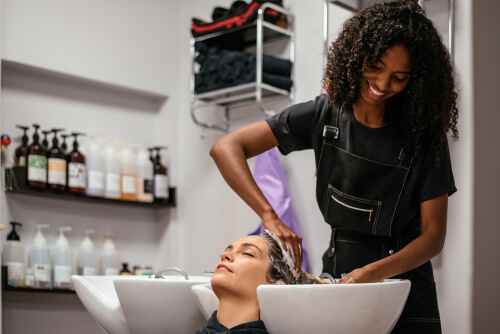
Washing is more than a step. It’s a moment of care, calm, and the beginning of every great transformation.
1. Prep Before You Wash
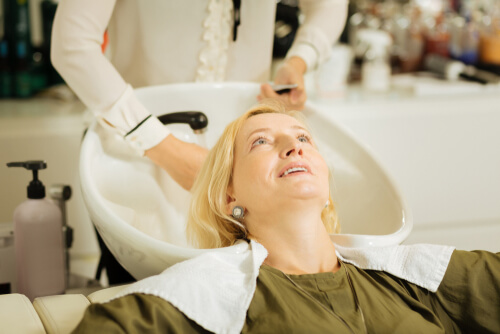
First, make sure you have all the your tools ready around you:

Shampoo,towel, conditioner, and water at the right temperature.

The more prepared you are, the smoother and more relaxing the

service will be

After setting up your tools, take a moment to assess the scalp and hair type
to choose the most suitable shampoo and conditioner for ideal results
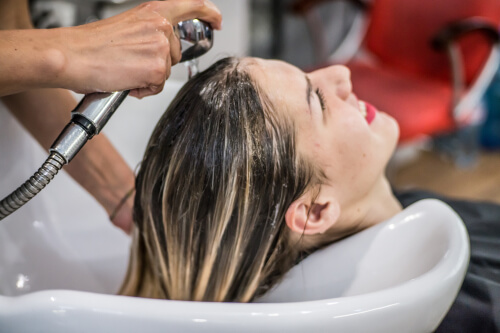
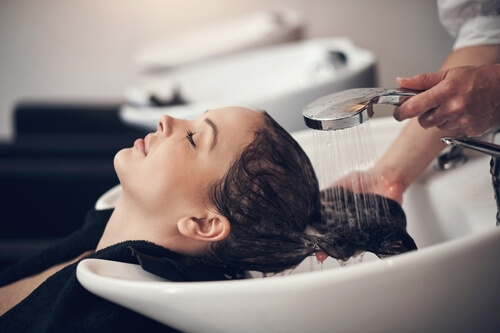
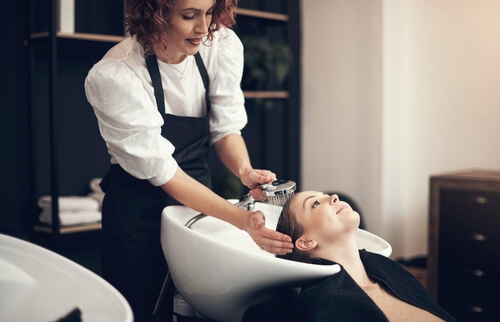
Always wet the hair from roots to ends—especially for thick or dense hair.
Take your time and make sure the hair is fully moist.
Don’t leave any dry patches.
Before starting, kindly ask your client:
“Let me know if you’d like the water warmer or cooler.”
From the very first step, your goal is to create comfort, trust, and calm.

After making sure the hair is fully wet:

  • Pour a suitable amount into one palm no need to rub it between your hands.

  • With your fingertips , apply shampoo directly to the scalp. Focus on areas where oil and flakes build up:

    • Front of the head

    • Behind the ears

    • Crown area (top)

    • Nape (bottom)

  • Use your fingers to gently section the hair. This helps the shampoo reach the scalp easily.

  • Take a small extra amount if needed and apply it directly to areas that still feel oily.

  • Massage with circular motions using your fingertips. Stabilize the scalp with your other hand and make sure shampoo reaches between the hair strands.

    Note: Focus on the scalp when shampooing — it’s where oils, sweat, and residue build up, and it needs the most attention.

    Hair lengths don’t produce oils, so there’s no need to scrub them. Just let the lather run through gently to avoid tangling or damage.

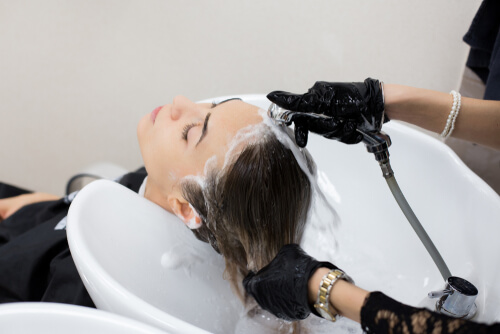
Run water through the hair from roots to ends,
and make sure no residue remains — to prevent dryness or itching.

If the hair is very oily or has heavy product buildup, a second gentle wash might be needed.

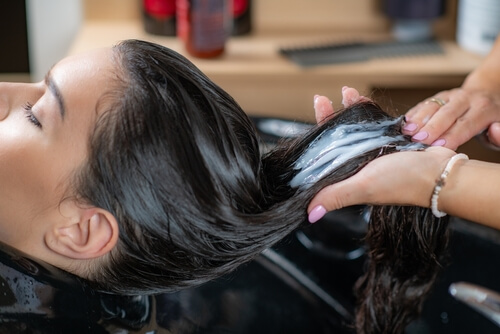
Conditioner is for the lengths and ends only — never apply it to the scalp.

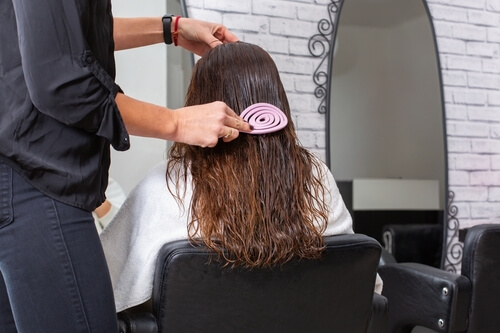
Start detangling with your fingers, gently and without pulling.

If needed, use a wide-toothed comb or a detangling brush

to help smooth the hair without stressing the scalp or snapping strands.

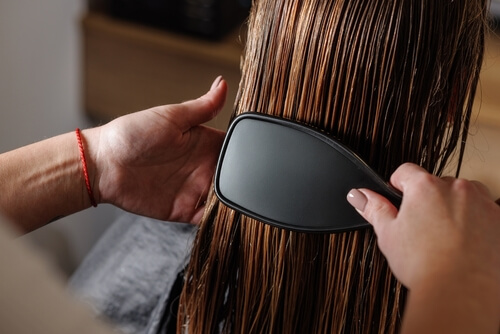
When combing: Always start from the ends, then gently move upward through the lengths. Use soft, steady motions to detangle without pulling or breakage.

Don’t rub the hair — just move it gently under running water.
Our goal is comfort, not aggressive cleaning.
If the hair feels soft and easy to move,
that means you’ve done it right from the very first step.

A Gentle Touch After Washing

Because every gentle move preserves softness—and excellence shows in how you dry.
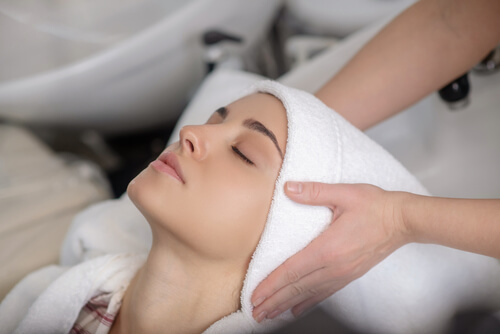
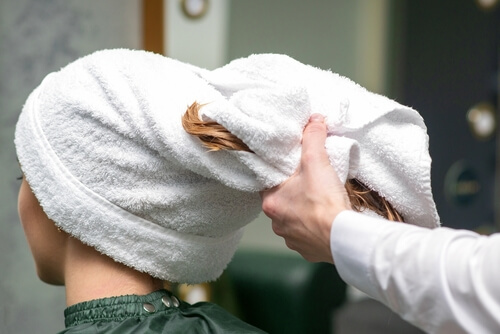
1. 1. Choose a soft, absorbent towel.
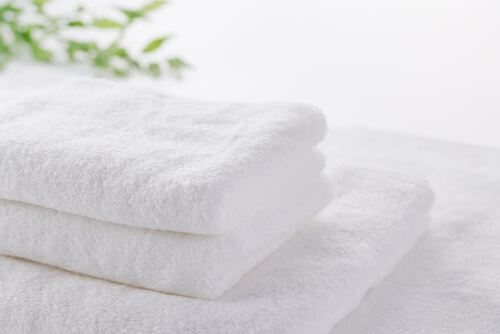
Use a clean, soft towel made for hair.

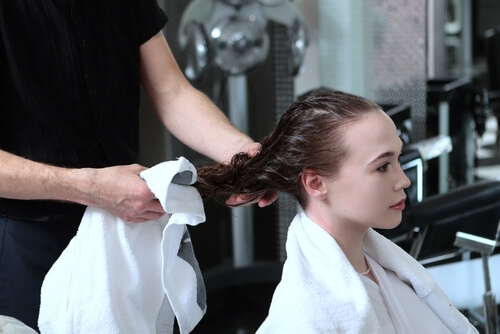
Gently press the towel on the hair. to absorb water, without rubbing or pulling.

Start from the roots, using light pressure, then move to the lengths and ends the same way.

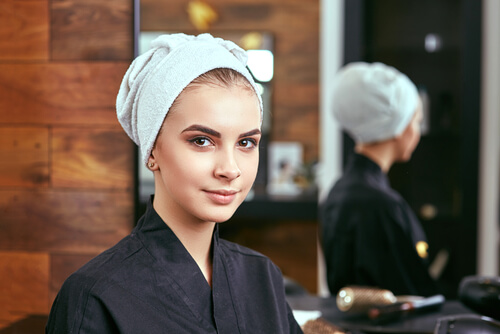
Avoid wrapping the hair tightly especially for long periods — this helps prevent breakage and frizz.

Use an extra towel if needed, especially for thick or long hair, to improve water absorption.

Let the hair air dry slightly. before any heat styling — this helps maintain its natural flexibility and shine.

Sanitization & Cleanliness: The Foundation of Quality and Professionalism

Cleanliness and hygiene aren’t extra steps — they are the standard.

Every tool, every surface, and every action reflects your professionalism and earns the client’s trust.

Essential Sanitization Steps:

1. Clean the tools first:

Always begin by removing any hair, residue, or product from tools immediately after use.
This makes sanitizing easier and prevents buildup.

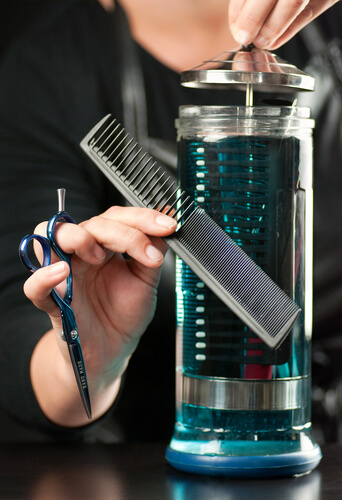
Use a professional sanitizing solution, following the manufacturer’s instructions.
Ensure tools are fully submerged and soaked for the recommended time.

After sanitizing, let the tools dry completely before storing them.
Moisture can reduce the effectiveness of disinfection.

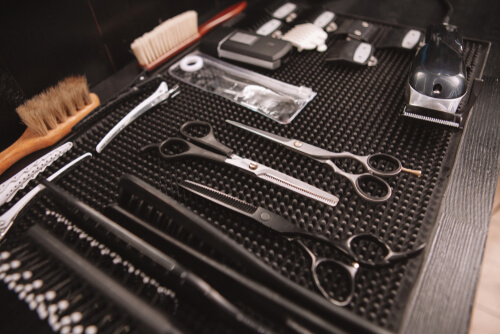
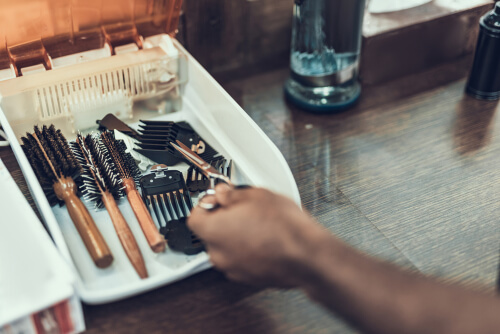
Store clean, dry tools in a dedicated, closed case.
Never mix sanitized tools with used or unclean ones.

After each service, wipe all work surfaces — including chairs, tables, and sinks — with sanitizing wipes or spray.
This keeps the environment safe and welcoming for your clients.

The Hairstyle Starts Here...

This is where technique becomes style

Blow-drying and styling steps:

1. Proper properly:
Always start by towel-drying the hair until it’s 70-80% damp.
Gently comb the hair using a wide-toothed comb or detangling brush.
And don’t forget to apply a heat protectant product to protect the hair from damage.
Section the hair into four parts or more depending on its thickness and length.
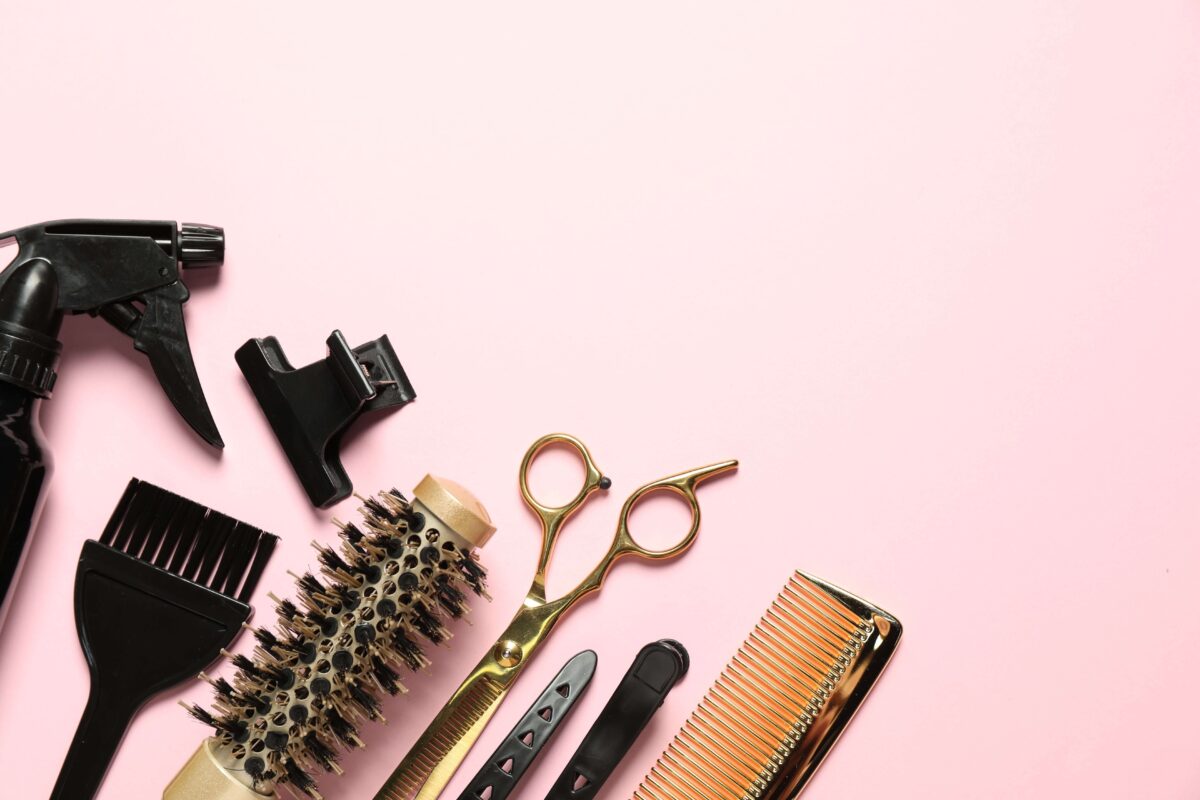
Use strong and stable clips. The neater the sectioning, the easier and more precise the blow-drying becomes.
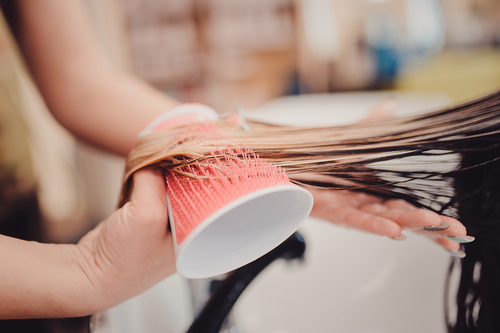
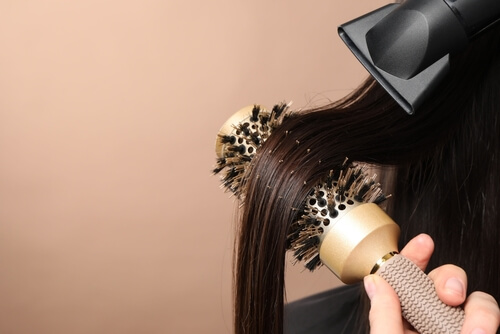
Choose the brush according to hair type and length:
– Short or fine hair: Small brush
– Long or thick hair: Large round brush
The more suitable the brush, the better control you’ll have.
Start drying the roots first, then move to the lengths, and finally the ends, as each part requires different care and direction.
Always direct the airflow downwards along the hair shaft to reduce frizz.
Make sure the hairdryer nozzle doesn’t directly touch the hair, and Keep a distance of 5 to 10 mm between the hairdryer and the brush, and always use a heat protectant.
Work in small sections to ensure smooth, even results. Each section should be narrower than the brush width for better control and a polished finish.

Note:

Make sure each section is slightly smaller than the brush — oversized sections or small brushes can result in frizz and uneven results.
The smaller the section compared to the brush, the more control and smoothness you’ll achieve.
After finishing, use the cool shot button to lock in the style.
For a final touch, apply a light serum or cream based on hair type to add shine.